Table of Contents
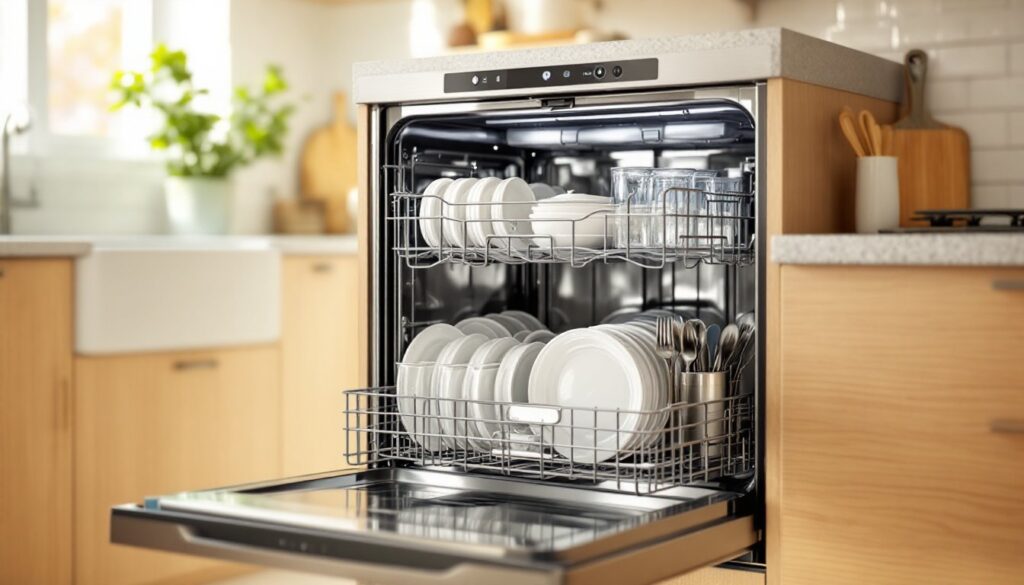
ToggleHotpoint dishwashers have been a dependable fixture in American kitchens for decades, and they’re evolving to meet modern demands for efficiency, capacity, and ease of use. Whether someone’s replacing an old unit that finally gave up or installing a dishwasher for the first time, Hotpoint offers midrange models that balance price and performance without the premium markup of luxury brands. These appliances aren’t flashy, but they get dishes clean, fit standard cabinet openings, and come with warranties that actually mean something. For homeowners who want a straightforward appliance that does the job without requiring a second mortgage, Hotpoint remains a solid contender in 2026.
Key Takeaways
- Hotpoint dishwashers offer reliable, affordable mid-range performance between $400–$700, making them an excellent choice for homeowners who prioritize function over premium features.
- Most Hotpoint dishwasher models are ENERGY STAR certified, using approximately 3.5 gallons of water per cycle and saving $20–$30 annually compared to older units.
- The brand excels in parts availability and repair accessibility, with replacement components readily stocked and most technicians familiar with service procedures, keeping maintenance costs reasonable.
- Installation is manageable for DIY homeowners, but a dedicated 120V circuit, proper leveling, and correct drain setup are critical to prevent leaks and warranty issues.
- Regular monthly maintenance—cleaning filters, inspecting spray arms, and wiping door seals—extends a Hotpoint dishwasher’s lifespan to 10+ years and prevents costly mid-cycle failures.
- Common issues like poor cleaning, water pooling, and leaks are often resolved through simple troubleshooting steps such as filter cleaning, drain checks, and detergent adjustment before calling a repair professional.
Why Choose a Hotpoint Dishwasher for Your Home?
Hotpoint sits in that sweet spot where affordability meets reliability. The brand, owned by Haier since 2016, manufactures appliances that won’t drain renovation budgets but still deliver consistent cleaning results. Most models fall in the $400–$700 range, which positions them well below premium European brands while offering better build quality than the rock-bottom budget imports.
The company’s dishwashers use straightforward mechanical controls and proven wash system designs. There’s no app integration or voice control, just dials, buttons, and cycles that make sense. For homeowners who prioritize function over smart features, this simplicity translates to fewer electronic components that might fail and easier troubleshooting when something does go wrong.
Another practical advantage: parts availability. Hotpoint’s market presence means replacement racks, spray arms, and door latches are typically in stock at appliance parts suppliers. Compare that to niche brands where a broken part can mean weeks of waiting or scrapping the whole unit. Most independent appliance repair techs are familiar with Hotpoint’s service procedures, which keeps repair costs reasonable.
Energy efficiency has improved across Hotpoint’s lineup, with many 2026 models earning ENERGY STAR certification. That translates to roughly 3.5 gallons of water per cycle and 270 kWh annually for standard models, competitive with mid-tier offerings from other manufacturers. The savings might only amount to $20–30 per year compared to older units, but it adds up over a 10-year service life.
Top Hotpoint Dishwasher Models to Consider in 2026
Hotpoint’s 2026 lineup includes both built-in and portable configurations. Here are the models getting the most attention from homeowners and kitchen designers:
Hotpoint HDT18GC Series (Built-In, Top Control)
This 18-inch compact model fits smaller kitchens or secondary spaces like basement kitchenettes. It holds eight place settings and features four wash cycles. The smaller footprint makes it ideal for retrofitting into tight spaces where a standard 24-inch unit won’t fit. Water usage runs about 3.2 gallons per cycle.
Hotpoint HDA2100 Series (Built-In, Front Control)
A straightforward 24-inch model with manual controls mounted on the front panel. It includes five cycles (Normal, Heavy, Light, Rinse Only, and Soak & Clean) plus a heated dry option. The interior uses a nylon-coated steel rack system that resists rust better than bare metal but won’t feel as premium as stainless steel tubs found in higher-end brands. This model typically retails around $450–$550.
Hotpoint HDP45GNMCC (Built-In, Hidden Controls)
The top-of-line Hotpoint features controls tucked along the door’s top edge for a cleaner front appearance. It offers six wash cycles, adjustable upper racks, and a stainless steel tub that retains heat better for improved drying performance. Noise levels register around 52 dBA, not whisper-quiet, but acceptable for open-plan layouts. Expect to pay $600–$700 for this model.
Hotpoint HPT18 Portable Series
This wheeled unit connects to kitchen faucets via an adapter and drains into the sink. It’s a practical solution for rentals or homes without existing dishwasher hookups. Capacity maxes out at eight place settings. The unit converts to permanent installation if homeowners later add dedicated plumbing.
Key Features That Set Hotpoint Dishwashers Apart
Hotpoint doesn’t chase every trend, but several features make their dishwashers practical for everyday use:
Adjustable Upper Racks
Most current models include upper racks that raise or lower to accommodate tall items like pasta bowls or stemware. The adjustment mechanism uses simple levers on each side, no tools required. This flexibility beats fixed-rack designs when loading odd-sized cookware.
Piranha Hard Food Disposer
Hotpoint’s built-in disposer grinds food particles instead of relying solely on filters. This reduces the need for pre-rinsing and helps prevent clogs in the drain pump. Users still shouldn’t treat it like a garbage disposal, but it handles small bits of food that slip through.
Delay Start Option
Many models include a delay timer (2–8 hours depending on the model) that lets homeowners schedule wash cycles during off-peak electricity hours. In regions with time-of-use utility rates, running the dishwasher overnight can shave a few dollars off monthly bills.
Heated Dry vs. Air Dry
Most Hotpoint dishwashers offer both heated and air-dry modes. Heated dry uses an electric element to evaporate moisture faster, while air dry props the door slightly open at the end of the cycle. Air dry saves energy but leaves more water spots on glassware. For everyday dishes, it’s fine: for glassware displayed in open shelving visible from areas like the dining room, heated dry produces better results.
Standard Wash Cycles
Hotpoint keeps cycle options practical: Normal for daily loads, Heavy for baked-on casserole dishes, Light for lightly soiled items, and Quick Wash for when guests are arriving in an hour. There’s no “crystal” or “delicate china” mode, this isn’t that kind of dishwasher. For households prioritizing energy-efficient appliances, the Normal cycle balances cleaning power with water conservation.
Installation and Setup: What Homeowners Need to Know
Installing a Hotpoint dishwasher is a manageable DIY project for homeowners comfortable with basic plumbing and electrical work. That said, mistakes with water or power connections lead to leaks or code violations, so be honest about skill level.
Pre-Installation Checklist
- Verify the cabinet opening: Standard built-ins require a 24-inch wide × 24-inch deep × 34-inch high space. Compact models need 18 inches of width. Measure actual dimensions, not just cabinet door sizes.
- Confirm water supply: Most dishwashers connect to a ⅜-inch compression fitting under the sink. If the existing valve is corroded or won’t shut off completely, replace it before hooking up the new unit.
- Check electrical: Hotpoint dishwashers require a dedicated 120V, 15-amp circuit. This should be a GFCI-protected circuit per the National Electrical Code (NEC). If the home’s panel doesn’t have a dedicated dishwasher circuit, hire an electrician, this isn’t the place to borrow power from a countertop outlet.
- Locate the drain connection: The dishwasher drain hose connects to the sink drain or garbage disposal. It must create a high loop (securing the hose to the underside of the countertop) or use an air gap fitting to prevent backflow.
Step-by-Step Installation
- Shut off water and power at the source. Confirm the circuit is dead with a voltage tester.
- Remove the old dishwasher if replacing an existing unit. Disconnect the water line, drain hose, and electrical connections. Slide the unit out carefully, the floor underneath may be damaged and need patching.
- Prepare the new unit: Attach the 90-degree elbow fitting to the dishwasher’s water inlet (usually located on the lower left front). Wrap threads with Teflon tape (2-3 wraps clockwise).
- Slide the dishwasher into the cabinet opening. Thread the water line, drain hose, and electrical wire through the access hole before pushing the unit all the way in.
- Level the dishwasher using the adjustable front legs. Use a torpedo level across the top of the unit. Proper leveling prevents door alignment issues and ensures effective draining.
- Secure to countertop: Most models include side mounting brackets that screw into the underside of the countertop or into adjacent cabinet sides. Use the screws provided, typically #8 × ⅝-inch.
- Connect water supply: Attach the braided supply line (usually included) to the elbow fitting and the shutoff valve under the sink. Hand-tighten, then snug with an adjustable wrench, don’t overtighten and crack the fitting.
- Connect drain hose: Secure to the dishwasher tailpiece or garbage disposal inlet with a hose clamp. Create a high loop by securing the hose to the underside of the countertop with a clamp or strap.
- Wire the electrical: Connect according to the wiring diagram in the owner’s manual. Typically this means black to black (hot), white to white (neutral), and green or bare copper to the ground screw. Use wire nuts rated for the gauge. Secure the cable with the strain relief connector.
- Test for leaks: Turn on the water supply slowly and inspect all connections. Run a short cycle and monitor for drips throughout.
When to Call a Pro
If the home lacks a dedicated dishwasher circuit, if there’s no existing water shutoff valve, or if local code requires a licensed plumber for appliance hookups (some jurisdictions do), hire the appropriate professional. A botched installation can void the warranty and create insurance headaches if a leak damages flooring or cabinetry.
Maintenance Tips to Keep Your Hotpoint Dishwasher Running Smoothly
Regular maintenance extends dishwasher life and prevents mid-cycle failures. These tasks take minutes and save hundreds in repair bills.
Monthly Tasks
- Clean the filter: Remove the lower spray arm (usually a quarter-turn twist) and lift out the cylindrical filter assembly. Rinse under hot water and scrub with an old toothbrush to remove grease and food buildup. A clogged filter forces the pump to work harder and leaves dishes dirty.
- Inspect spray arms: Check that the holes in the spray arms aren’t clogged with mineral deposits or food particles. Use a toothpick or wire to clear any blockages. Spin the spray arms by hand, they should rotate freely. If they’re stiff, remove them and clean the center mounting hub.
- Wipe door seals: The rubber gasket around the door collects grime and can develop mold. Wipe it down with a damp cloth and a bit of white vinegar. Check for cracks or tears: a damaged seal leads to leaks.
Quarterly Tasks
- Run a cleaning cycle: Place a dishwasher cleaner tablet or a cup of white vinegar on the bottom rack and run a hot water cycle with no dishes. This dissolves mineral buildup and removes odors.
- Check the drain: Remove any debris from the sump area under the filter. Occasionally, bits of broken glass or twist ties work their way past the filter and can jam the drain pump.
Annual Tasks
- Inspect water inlet screen: The water inlet valve (where the supply line connects) has a small screen filter. Turn off the water supply, disconnect the line, and remove the screen with needle-nose pliers. Rinse it clean. A clogged screen reduces water flow and lengthens cycle times.
- Test the door latch: If the door doesn’t click firmly closed or if the dishwasher won’t start, the latch mechanism may need adjustment or replacement. This is a common wear item after 5–7 years.
Water Quality Considerations
Hard water (above 7 grains per gallon) causes mineral buildup on heating elements and interior surfaces. Use a rinse aid in the dispenser, it helps water sheet off dishes and prevents spotting. In very hard water areas, consider installing a whole-house water softener or using a dishwasher additive like citric acid every few months to dissolve scale.
Troubleshooting Common Hotpoint Dishwasher Issues
Most Hotpoint problems have straightforward fixes. Here’s how to diagnose and address frequent issues before calling a repair tech.
Dishwasher Won’t Start
- Check that the door is fully latched. If the door switch doesn’t engage, the control board won’t start the cycle.
- Verify power at the circuit breaker. Test the outlet (if plug-in model) or check for voltage at the junction box (if hardwired).
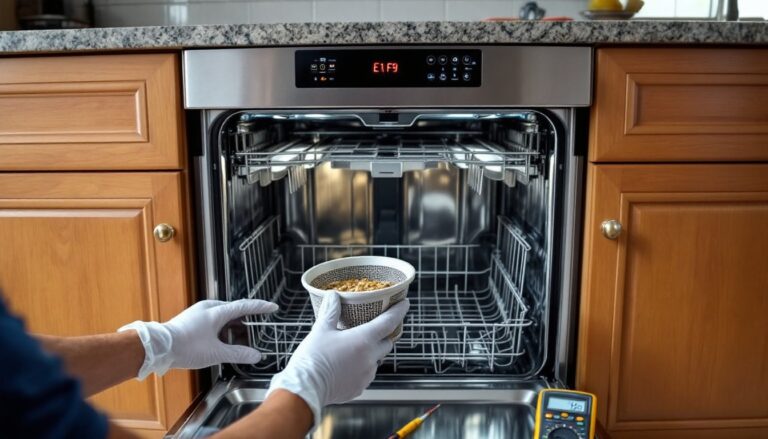
- Inspect the thermal fuse (located near the control board). This safety device blows if the dishwasher overheats. It’s a $10 part but requires removing the door panel to access.
Dishes Come Out Dirty
- Clean or replace the filter. A clogged filter is the #1 cause of poor cleaning.
- Check water temperature. Dishwashers need 120°F minimum for effective detergent activation. Run the kitchen faucet until hot before starting the cycle.
- Verify spray arms aren’t blocked by large items or broken. Replace if cracked.
- Use fresh detergent. Powder and pods lose effectiveness after about six months once opened.
Water Pooling in the Bottom
- Ensure the drain hose isn’t kinked or clogged. Disconnect it and run water through to check.
- Inspect the drain pump. Remove the filter and look for debris in the pump housing. Listen during the drain cycle, if the pump is silent, it may have failed.
- Check the garbage disposal knockout plug. If the dishwasher was just connected to a new disposal, the knockout plug inside the disposal inlet must be removed or water won’t drain.
Leaking Water
- Tighten the door latch adjustment screws. A slightly misaligned door allows water to seep out during the cycle.
- Replace the door gasket if it’s cracked or torn. This is a $20–$40 part available at appliance parts stores.
- Inspect the tub for cracks, particularly around the sump area. A cracked tub usually means it’s time for a new dishwasher.
- Check supply line connections for drips. Even a small leak can damage cabinetry over time.
Noisy Operation
- Remove any debris around the drain pump and chopper blade. Small objects cause rattling.
- Confirm the dishwasher is level. An unlevel unit may cause the wash motor to vibrate excessively.
- Listen for worn wash arm bearings, a grinding sound during the wash cycle. Replacement arms cost $15–$30.
White Film on Dishes
This is usually caused by hard water deposits or too much detergent. Try reducing detergent by half and running a vinegar rinse cycle. Switch to a liquid detergent formulated for hard water. Many homeowners looking to optimize their kitchen efficiency find that adjusting detergent amounts based on water hardness makes a significant difference.
Conclusion
Hotpoint dishwashers deliver reliable performance without unnecessary complications or inflated price tags. They’re built for homeowners who want clean dishes and predictable operation, not smartphone integration or designer aesthetics. With proper installation, routine maintenance, and realistic expectations, a Hotpoint dishwasher will handle daily kitchen cleanup for a decade or more. That’s a reasonable return on a mid-tier investment.