Table of Contents
ToggleA black Whirlpool refrigerator isn’t just an appliance, it’s a design statement that anchors your kitchen with modern sophistication. Whether you’re renovating an outdated space or upgrading to more efficient cooling tech, a black finish offers versatility that complements everything from industrial lofts to farmhouse-chic kitchens. Whirlpool’s reputation for reliable performance meets sleek aesthetics in their black refrigerator lineup, giving homeowners a durable workhorse that doesn’t compromise on style. This guide walks through model selection, key features, design integration, and practical maintenance tips to help you make the smartest choice for your kitchen.
Key Takeaways
- A black Whirlpool refrigerator combines modern design with practical engineering, featuring fingerprint-resistant finishes and ENERGY STAR® certification that cuts utility costs by 10–15% compared to older models.
- French door models (like the WRF535SWHV) work best for families needing spacious storage, while side-by-side models (WRS325SDHV) fit narrow kitchens and maximize vertical access without deep clearance requirements.
- Whirlpool’s adaptive defrost technology and FreshFlow™ produce preserver extend food freshness up to 25% longer while reducing energy consumption through intelligent cooling adjustments.
- Black finishes anchor kitchen designs without competing for attention, pairing seamlessly with white cabinetry, natural wood tones, or mixed-metal hardware for lasting aesthetic appeal.
- Proper installation with correct leveling and 1-inch clearances on all sides ensures optimal airflow and prevents compressor strain, while regular coil vacuuming every three months is essential for long-term performance.
- Black Whirlpool refrigerators range from $1,200 to $2,800, with mid-range models ($1,700–$2,200) offering the best value through balanced features like external ice/water dispensers and humidity-controlled crispers.
Why Choose a Black Whirlpool Refrigerator for Your Kitchen
Black appliances have shed their ’90s reputation and returned with refined finishes that resist fingerprints better than stainless steel. A Whirlpool black refrigerator offers a matte or black stainless surface that hides smudges, making it ideal for busy households with kids or frequent cooks.
Whirlpool’s engineering focuses on temperature consistency and energy efficiency, often earning ENERGY STAR® certification that cuts utility costs by 10–15% compared to older units. Their adaptive defrost technology monitors compressor run time, only defrosting when necessary, a practical feature that extends food freshness and reduces frost buildup.
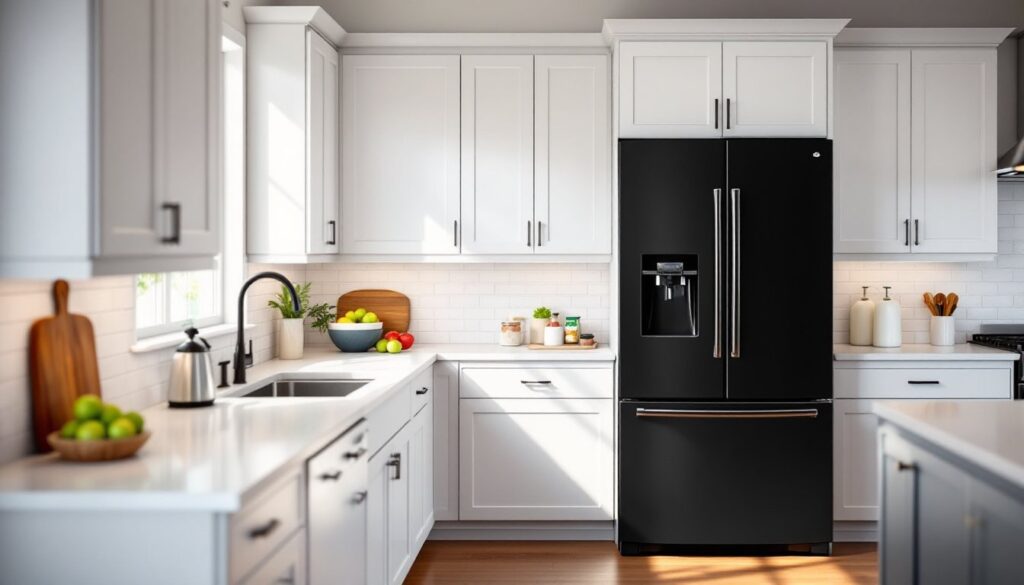
From a design perspective, black grounds a kitchen palette without competing for attention. It pairs well with white cabinetry for high contrast, complements natural wood tones, and anchors all-black or mixed-metal appliance suites. Unlike trendy colored finishes that date quickly, black remains a safe long-term investment for resale value.
Whirlpool backs their refrigerators with a 10-year limited parts warranty on the compressor, which is the heart of any cooling system. This coverage provides peace of mind that the most expensive repair is protected, a consideration often overlooked when comparing brands.
Top Black Whirlpool Refrigerator Models to Consider in 2026
Whirlpool’s 2026 lineup includes several standout models in black finish, each tailored to different household sizes and kitchen layouts.
The Whirlpool WRF535SWHV (36-inch French door, 25 cu. ft.) is a workhorse for families. It features external ice/water dispensers, full-width pantry drawers, and LED lighting that makes midnight snack runs safer. The FreshFlow™ produce preserver uses ethylene gas absorption to keep fruits and vegetables fresh up to 25% longer, a real benefit if you buy produce in bulk.
For tighter galley kitchens, the Whirlpool WRS325SDHV (33-inch side-by-side, 22 cu. ft.) maximizes vertical storage without requiring deep cabinet clearance. Side-by-side models suit households that freeze as much as they refrigerate, offering nearly equal split capacity.
The Whirlpool WRF757SDHV (27 cu. ft. French door) steps up with a middle drawer freezer and pull-out shelves that simplify access to back items without playing Tetris with your groceries. This model includes Whirlpool’s Accu-Chill™ temperature management system, which uses sensors to adapt cooling based on door openings and ambient temperature, helpful in open-concept homes where kitchen temps fluctuate.
Most black Whirlpool models are available in black stainless steel or fingerprint-resistant black, both of which clean with a damp microfiber cloth and mild dish soap. Avoid abrasive cleaners or scouring pads, which can scratch the finish.
French Door vs. Side-by-Side: Which Style Fits Your Space
French door refrigerators position the freezer below eye level, reducing bending for the fresh food section you access most often. The wide shelves accommodate sheet pans, pizza boxes, and party platters without turning sideways. But, they require 36 inches of width minimum and benefit from 1–2 inches of clearance on the hinge side for full door swing.
Side-by-side models fit narrower spaces (as slim as 33 inches) and work well in kitchens with adjacent islands or tight walkways, since each door swings only half the width. Freezer access is at eye level, which is convenient for grabbing ice cream but requires more stooping for large frozen items.
Consider door swing clearance in your layout. A French door opening 90 degrees needs roughly 20–24 inches of clearance depending on handle depth. If your kitchen has a perpendicular island or peninsula within that arc, you’ll need to either reposition cabinetry or choose a counter-depth model that sits flush with cabinets and reduces protrusion.
For installation, standard-depth units (around 34–36 inches deep) protrude past typical 24-inch base cabinets. Counter-depth models trim that to 24–30 inches for a built-in look but sacrifice 2–4 cubic feet of capacity. Measure your space with doors open before ordering.
Key Features That Make Whirlpool Refrigerators Stand Out
Whirlpool integrates practical features that address real kitchen pain points rather than gimmicky tech.
Adaptive Defrost monitors compressor cycles and only runs defrost when frost actually accumulates, cutting energy use and preventing temperature spikes that compromise food quality. This is smarter than timed defrost systems that run on a schedule regardless of need.
LED Lighting throughout the interior and in crisper drawers eliminates the dim corners where forgotten leftovers turn into science experiments. LEDs are cooler than incandescent bulbs, don’t affect internal temp, and last the life of the appliance.
The FreshFlow Air Filter and Produce Preserver work in tandem to reduce odors and ethylene gas. Replace the air filter every six months (they cost around $15–20) and the produce preserver annually. Both are tool-free swaps accessible from the interior.
Adjustable Gallon Door Bins with slide mechanisms let you customize door storage height without removing shelves. This flexibility accommodates tall bottles or multiple half-gallons without wasting vertical space.
Whirlpool’s in-door ice system (on select models) frees up a full shelf in the freezer by mounting the ice maker and bin inside the door. For households that freeze bulk meats or batch-cooked meals, that extra cubic footage matters.
Noise levels hover around 42–45 decibels on most Whirlpool models, comparable to a library whisper. Compressor tech has improved significantly: if your old fridge sounds like a jet engine, the difference will be immediately noticeable.
Smart features are minimal and optional, Whirlpool doesn’t force app connectivity. Their 6th Sense technology (on premium models) automatically adjusts cooling based on load and usage, but it functions independently without requiring Wi-Fi pairing. If you want remote temperature adjustments, certain models offer it: if you don’t, you’re not paying for unused tech.
Design Tips: Incorporating a Black Refrigerator Into Your Kitchen Aesthetic
A Whirlpool refrigerator black finish acts as a visual anchor, so plan surrounding elements to either contrast or complement.
High-Contrast Kitchens: Pair a black fridge with white shaker cabinets, white subway tile backsplash, and light quartz countertops for a crisp, modern look. Add black hardware (pulls, faucet, light fixtures) to tie the appliance into the design rather than leaving it as a standalone statement. Many designers recommend matching kitchen appliance finishes to create a cohesive flow.
Monochrome Schemes: An all-black appliance suite (fridge, range, dishwasher) creates a bold, unified aesthetic. Balance this with lighter countertops and medium-tone wood cabinets to prevent the space from feeling cave-like. Open shelving in natural wood or glass-front uppers break up solid dark runs.
Mixed Metals: Black pairs well with brass, copper, or matte gold hardware for a transitional or industrial vibe. Stainless steel appliances and black can coexist if you limit one finish to large appliances (fridge, range) and the other to small ones (microwave, hood).
Lighting Considerations: Black surfaces absorb light, so ensure adequate task and ambient lighting. Under-cabinet LED strips (at least 300 lumens per foot) prevent dark countertop work areas. A central pendant or track lighting over islands compensates for the light absorption of dark appliances.
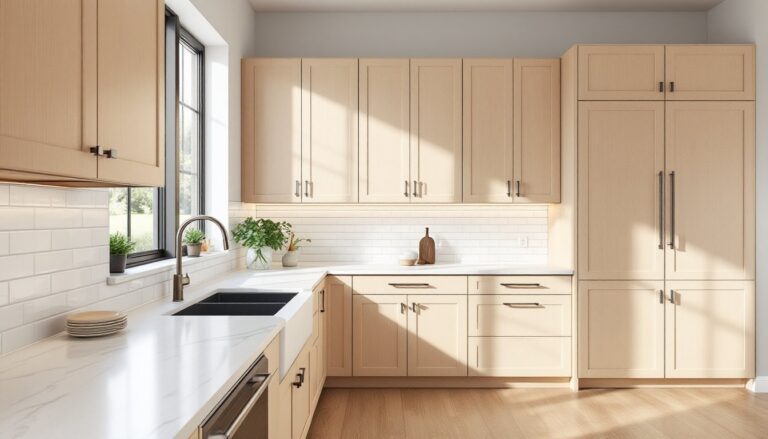
Flooring choice affects how grounded the fridge looks. Light tile or engineered hardwood creates lift, while dark flooring can make the fridge visually recede. If your kitchen is small (under 120 square feet), lighter surroundings prevent the black appliance from overwhelming the space.
Consider appliance grouping. If possible, position the refrigerator adjacent to other major appliances (range, dishwasher) to create an appliance wall rather than scattering black pieces throughout the kitchen. This clustering feels intentional rather than piecemeal.
Installation and Maintenance Essentials for Long-Lasting Performance
Refrigerator installation is straightforward but requires attention to clearances and leveling.
Clearance Requirements: Leave 1 inch on each side and 1 inch at the top for airflow. Coils need room to dissipate heat: blocking ventilation forces the compressor to work harder, shortening its lifespan. Rear clearance varies by model, check the spec sheet, but expect 1–2 inches.
Leveling: Use a 24-inch level on top of the fridge, front to back and side to side. Adjust the front leveling legs (most Whirlpool models have two threaded legs accessible from the front) until the unit tilts slightly back. This ensures doors swing closed on their own and prevents stress on hinges. A properly leveled fridge also prevents water from pooling in the bottom of the fresh food section.
Water Line Connection (if applicable): For models with ice makers or water dispensers, you’ll need a 1/4-inch copper or braided stainless supply line run from the nearest cold water source. Most codes require a shut-off valve within 6 feet of the appliance for emergency access. If you’re not comfortable soldering copper or installing a saddle valve, hire a plumber, a botched water line can cause thousands in water damage.
Electrical: Whirlpool refrigerators use standard 115V, 15-amp circuits. Plug into a grounded three-prong outlet: never use an extension cord or adapter. The circuit should be dedicated (no other appliances sharing the breaker) per NEC guidelines, though this is sometimes grandfathered in older homes.
Maintenance Schedule:
- Every 3 months: Vacuum condenser coils (front or rear access depending on model) using a coil brush or vacuum attachment. Dust buildup is the leading cause of compressor failure.
- Every 6 months: Replace air filter, clean door gaskets with warm soapy water, and wipe down interior with baking soda solution (1 tablespoon per quart of water).
- Annually: Replace produce preserver, check door alignment, and inspect water line connections for leaks or corrosion.
Safety Note: Always unplug the unit or trip the breaker before accessing the back panel or coils. Wear safety glasses when vacuuming coils: dust and debris can become airborne.
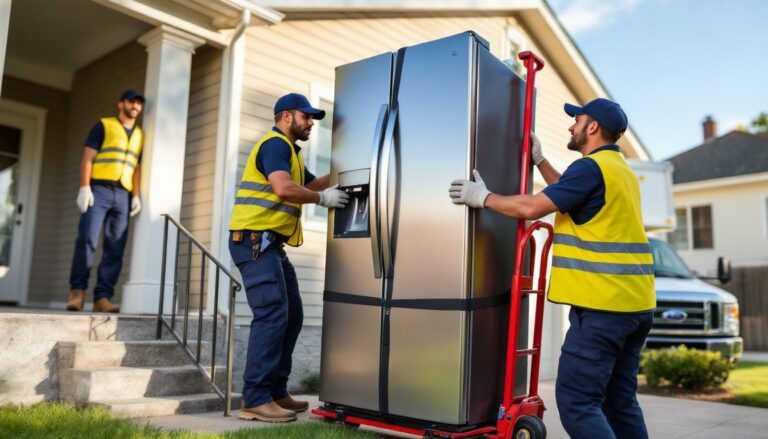
If you’re replacing an old fridge, most appliance retailers offer haul-away service ($25–50). They’ll disconnect, remove, and recycle the old unit per EPA regulations (refrigerants require certified disposal). DIY removal is doable but requires a hand truck, a helper, and careful maneuvering to avoid damaging flooring or doorways.
What to Expect: Pricing and Value Comparison
Black Whirlpool refrigerators range from $1,200 to $2,800 depending on capacity, features, and finish type as of April 2026. Prices fluctuate with steel costs, tariffs, and seasonal promotions (expect Memorial Day, Black Friday, and January clearance sales to drop prices 10–20%).
Entry-Level Models (20–22 cu. ft., side-by-side or top-freezer): $1,200–$1,600. Basic features, manual defrost or adaptive defrost, and standard shelving. Good for apartments, small households, or budget-conscious buyers.
Mid-Range Models (23–25 cu. ft., French door): $1,700–$2,200. Includes external water/ice, adjustable shelves, humidity-controlled crispers, and FreshFlow systems. This tier offers the best balance of features and cost for most families.
Premium Models (26+ cu. ft., French door or multi-door): $2,300–$2,800. Adds smart features, dual evaporators for separate fridge/freezer climate control, and counter-depth profiles. Worth the cost if you value aesthetics and advanced food preservation.
Compare Whirlpool’s value to competitors: expert-tested refrigerators consistently rank Whirlpool in the top tier for reliability and performance. Independent hands-on refrigerator tests highlight black finish models as strong performers in real-world kitchens.
Delivery and Installation: Most retailers charge $50–100 for delivery. Basic installation (unwrap, level, plug in) is usually included: water line hookup costs extra ($75–150). Extended warranties run $150–300 and cover parts/labor beyond the manufacturer warranty, often unnecessary given Whirlpool’s 10-year compressor coverage.
Energy Costs: ENERGY STAR models average $40–60 annually in electricity, based on $0.12/kWh rates. Older pre-2015 fridges can cost $100+ yearly, so factor utility savings into your ROI. Over a 10-year lifespan, an efficient model saves $400–600 in energy costs.
Financing: Many retailers offer 12–24 month interest-free financing with approved credit. This can ease upfront costs but verify there are no deferred interest traps, if you don’t pay off the balance in the promotional period, retroactive interest applies.